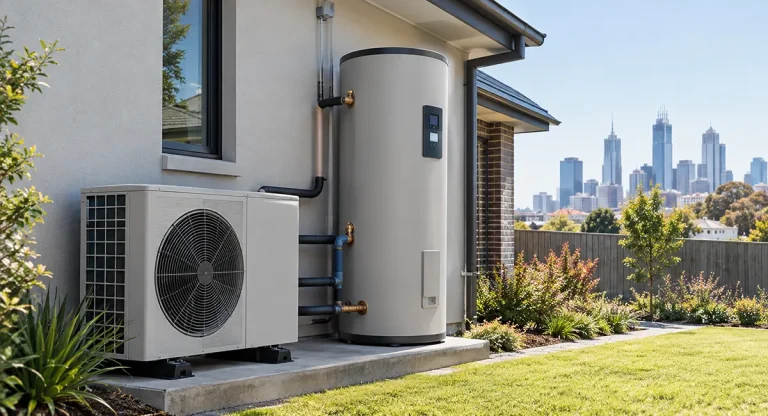
Understanding Heat Pump Technology
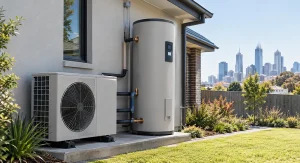
Unlike traditional systems that generate heat directly through gas combustion or electrical resistance, a heat pump hot water system operates on the principle of heat transfer. Think of it as a refrigerator working in reverse: the system extracts thermal energy from the surrounding ambient air, compresses it to increase its temperature, and transfers that heat into the water stored in the tank. Because the system is moving existing heat rather than generating it from scratch, it can achieve efficiencies of 300% to 400%, compared to the 90-95% efficiency of a standard electric resistance unit. This thermodynamic advantage makes them a cornerstone of modern residential energy management.
Benefits of Heat Pump Systems
The primary advantage is long-term energy efficiency. By utilising ambient air, these systems significantly reduce electricity consumption, which is particularly beneficial for Melbourne households looking to move away from gas. When integrated with a solar PV system, the running costs can be reduced to near zero during daylight hours. Furthermore, heat pumps are a critical component of the ‘electrification’ movement, helping homeowners reduce their carbon footprint and future-proof their homes against fluctuating gas prices. Beyond the financial savings, these systems offer a quieter, more sustainable way to manage household hot water demand, contributing to a greener Victorian energy grid.
Key Installation Factors for Melbourne Homes
Transitioning to a heat pump is more complex than a simple tank-for-tank swap. Before committing, consider the following technical dependencies:
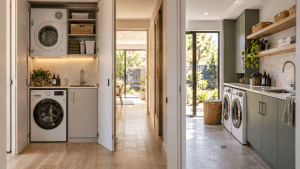
- Siting and Airflow: Heat pumps require significant space—typically 450 to 700 cubic feet of surrounding air—to operate efficiently. They should not be installed in small, enclosed cupboards or garages without adequate ventilation. If the unit is starved of air, it will struggle to heat water, leading to higher electricity bills.
- Noise Considerations: The fan and compressor generate noise similar to an air conditioning unit. We recommend placing the unit away from bedroom windows or quiet outdoor living areas to ensure comfort.
- Electrical Requirements: Most heat pumps require a dedicated 240V circuit. If your existing system is gas, you will likely need a licensed electrician to install a new power supply, which adds to the initial project scope.
- Recovery Time: Heat pumps generally have a slower recovery rate than instant gas systems. It is vital to size the tank correctly based on your household’s peak usage times to avoid running out of hot water during cold Melbourne mornings.
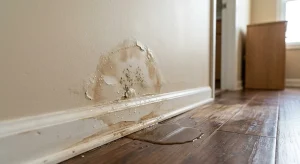
- Water Quality: In areas with hard water, the sacrificial anode within the tank must be checked and replaced regularly to prevent corrosion, which is a common cause of premature system failure.
Costs and Rebates in Victoria
The upfront cost of a heat pump system is higher than traditional units, typically ranging from $4,000 to $6,000 before rebates. However, Victorian homeowners may be eligible for significant financial support. Under the Victorian Energy Upgrades (VEU) program, residents can claim substantial rebates, and federal Small-scale Technology Certificates (STCs) further reduce the capital outlay. Depending on the specific model and your current setup, these incentives can bring the out-of-pocket expense down to between $2,600 and $4,000. It is essential to note that STC values fluctuate based on market demand, so obtaining a quote from an accredited installer who can provide an accurate estimate of the current certificate value is crucial. Always verify your eligibility through an accredited installer before proceeding, as rebate structures are subject to change based on government policy updates.
Common Mistakes to Avoid
Homeowners often overlook the ‘hidden’ costs of installation. A common mistake is failing to account for the electrical upgrade required when switching from gas. Additionally, choosing a unit that is too small for the household size is a frequent error that leads to premature wear and tear on the compressor. Finally, neglecting regular maintenance—such as cleaning the evaporator coils and flushing the tank—can lead to a significant drop in efficiency over time. Proper installation by a qualified professional ensures that the system is correctly commissioned, which is a prerequisite for maintaining manufacturer warranties.
Professional Installation and Compliance
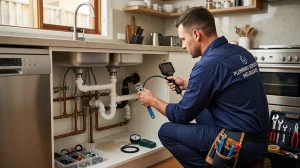
Due to the integration of plumbing, electrical, and refrigerant systems, professional installation is non-negotiable. Improper installation can lead to voided warranties, reduced efficiency, or safety hazards. Whether you are planning a whole house renovation or simply replacing a failed unit, our team ensures your system meets all current Victorian plumbing and electrical standards. We handle the decommissioning of old gas lines and the installation of new electrical circuits, ensuring a seamless transition. Compliance with the Plumbing Regulations 2018 is mandatory, and your installer must provide a Compliance Certificate upon completion of the work, which serves as your guarantee that the installation meets all safety and performance benchmarks.
Frequently Asked Questions
Are heat pumps suitable for Melbourne’s climate?
Yes, modern heat pump systems are designed to operate efficiently in Melbourne’s climate. While efficiency can drop slightly on very cold days, high-quality units are engineered to handle Victorian winters effectively, often featuring ‘boost’ elements for extreme conditions to ensure consistent hot water delivery.
Do I need a permit to install a heat pump?
In most residential replacement scenarios, a specific planning permit is not required. However, all work must comply with the Plumbing Regulations 2018 and relevant Australian Standards. Your installer will manage the necessary compliance certificates and ensure the installation meets local council requirements.
How long does a heat pump last?
With regular maintenance, a high-quality heat pump system can last between 10 to 15 years. Regular servicing is essential to ensure the evaporator coils remain clean, the refrigerant levels are correct, and the system operates at peak efficiency throughout its lifespan.
Can I switch from gas to a heat pump?
Yes, switching from gas to a heat pump is a common upgrade for those looking to electrify their homes. This process involves decommissioning the gas line and installing a new dedicated electrical circuit, which a professional team can manage as part of the installation process.
What happens if the power goes out?
Like any electric hot water system, a heat pump will not heat water during a power outage. However, the insulated tank will retain heat for several hours, providing a buffer for short-term outages. Once power is restored, the system will automatically resume its heating cycle.